What Are The Latest Bathroom Design Trends In Albury Homes?
The bathroom trends worth pursuing in Albury right now are those chosen with two things in mind: the local climate and your existing layout. Matte tiles, floating vanities, brushed tapware and warm neutral palettes are all popular — and all achievable, but which ones make sense for your home depends on whether the plumbing moves and whether the ventilation can keep up. Design trends move fast, but the ones that last are the ones chosen with the local climate in mind, which is where our experience with
bathroom renovations in Albury shapes every recommendation we make.
What Bathroom Design Trends Are Popular in Albury Homes Right Now?
The design directions we see most consistently across Albury bathrooms right now are:
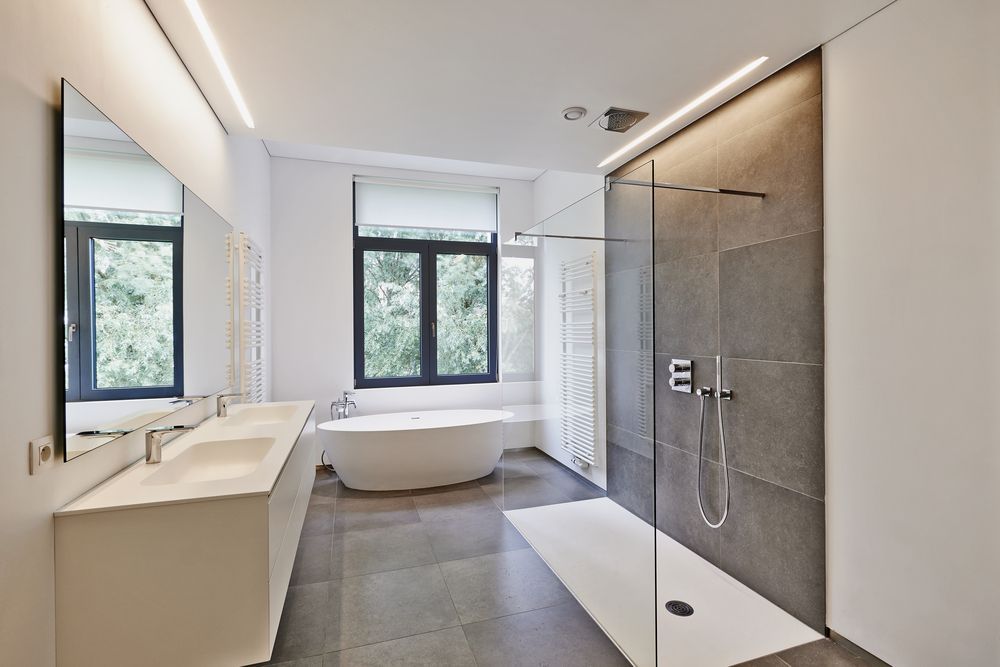
- Matte and textured tiles over high-gloss — porcelain and stone-look matte finishes dominate, in large-format sizes (600×600mm and up) that reduce grout lines and read cleaner on the wall
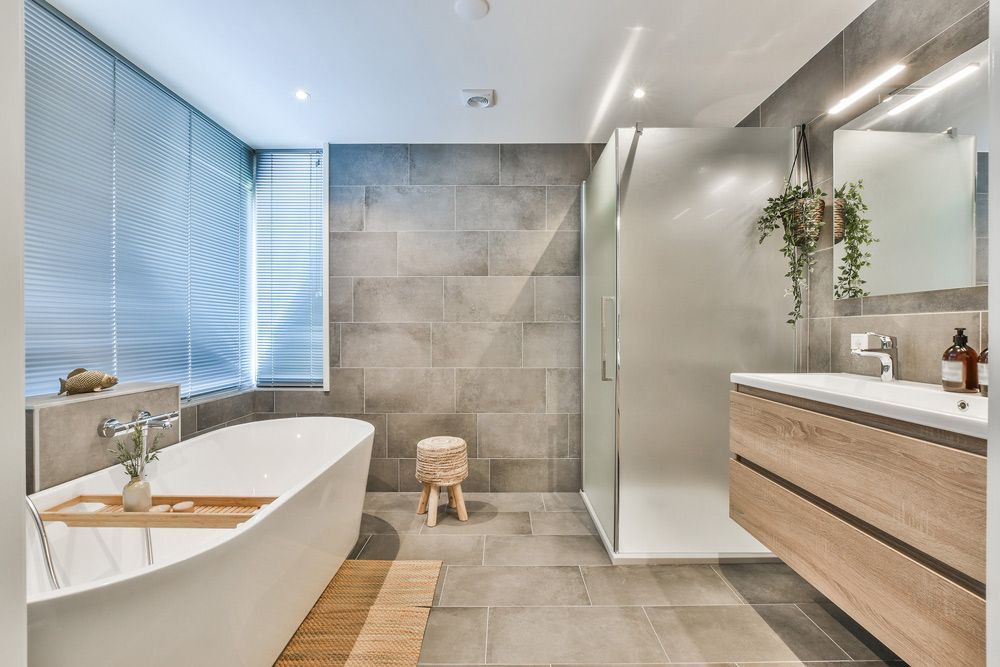
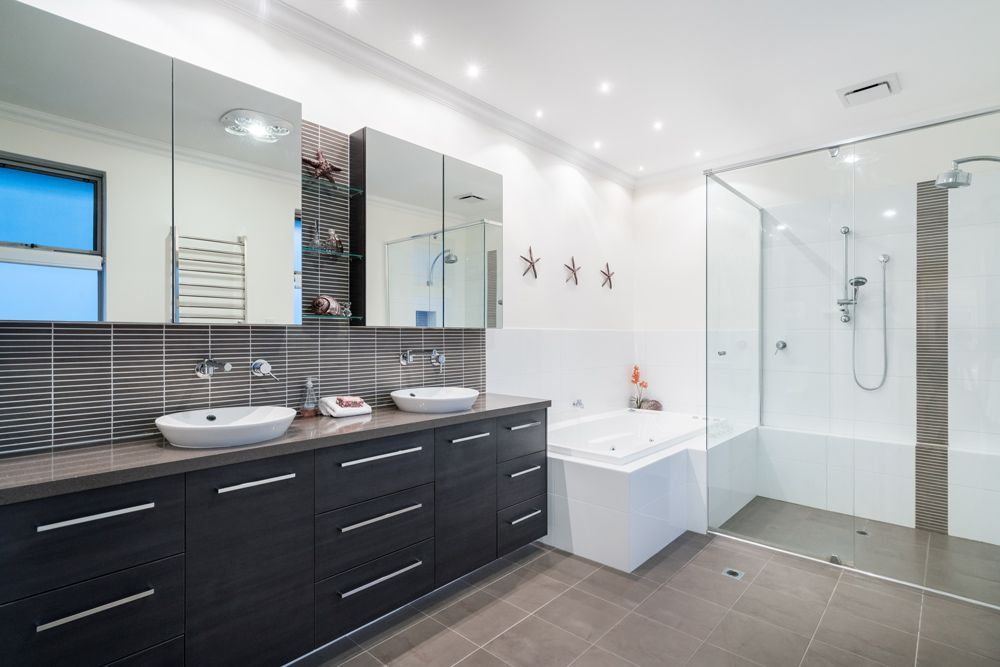
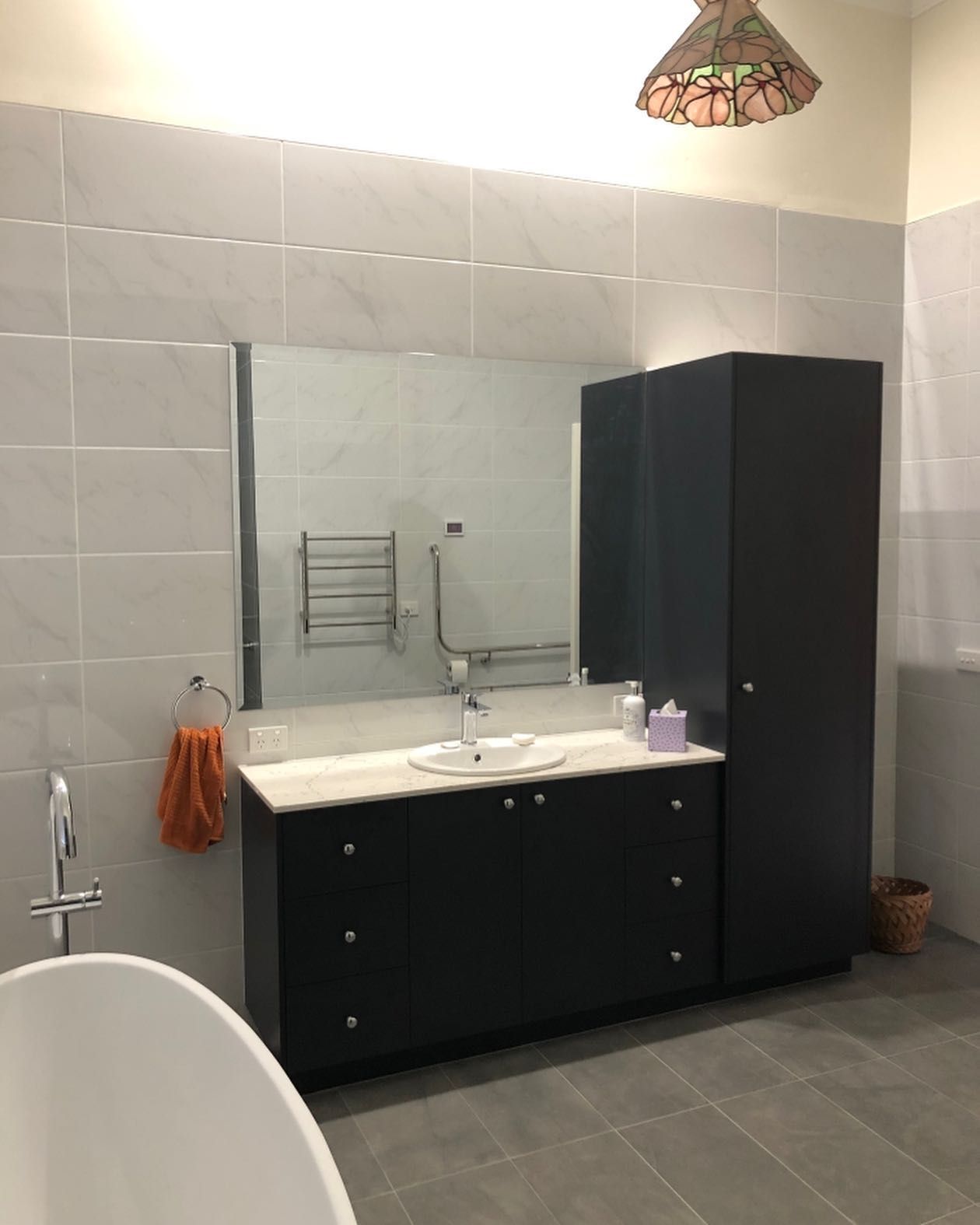
- Floating vanities with integrated or hidden storage — wall-hung cabinetry that lifts the floor visually and makes the space feel larger
- Brushed nickel, brushed brass and matte black tapware — moving away from polished chrome toward finishes with more visual depth
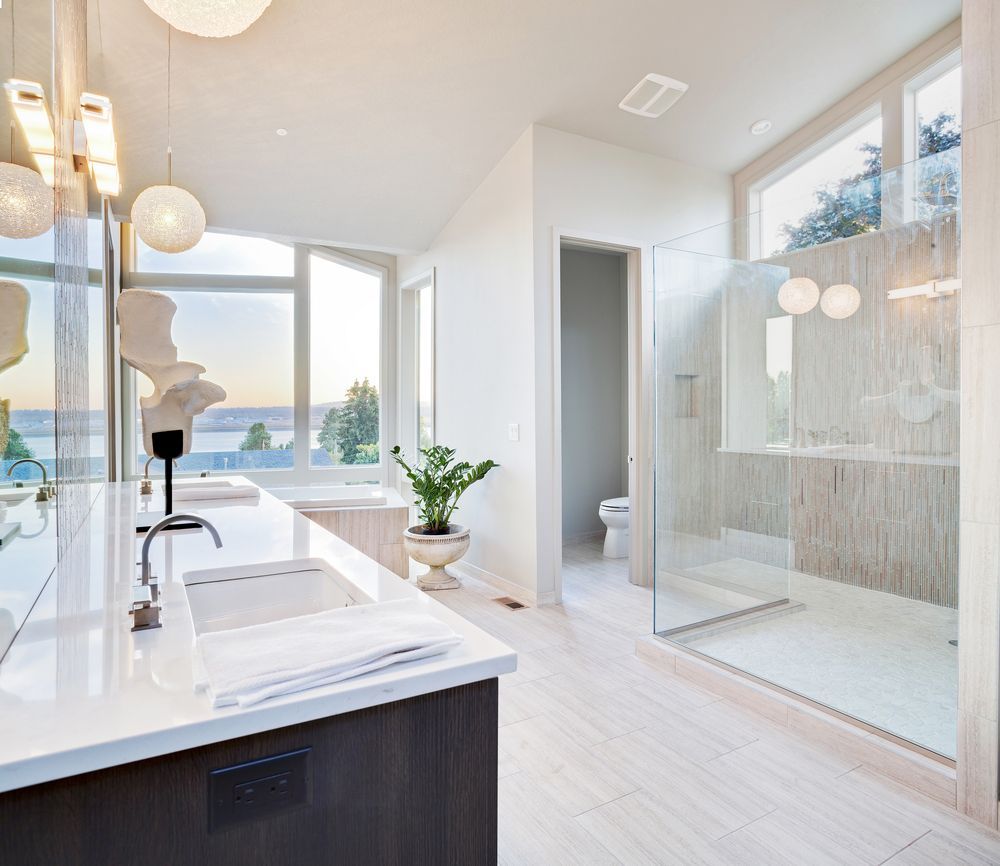
- Warm neutral palettes — sandy tones, warm whites and greige rather than cool grey, often paired with natural timber-look elements
- Niches and recessed shelving — built into the shower wall to eliminate freestanding caddies and keep lines clean
- LED and task lighting — vanity strip lighting, downlights over the shower, and dimmer-compatible fittings that shift the mood between morning and evening use
These are not passing fads. Most have been building for several years and show no sign of reversing. The question is not whether they look good — they do — it is whether each one suits your home.
What Colours, Materials and Finishes Are Trending — And Which Ones Are Easiest to Live With?
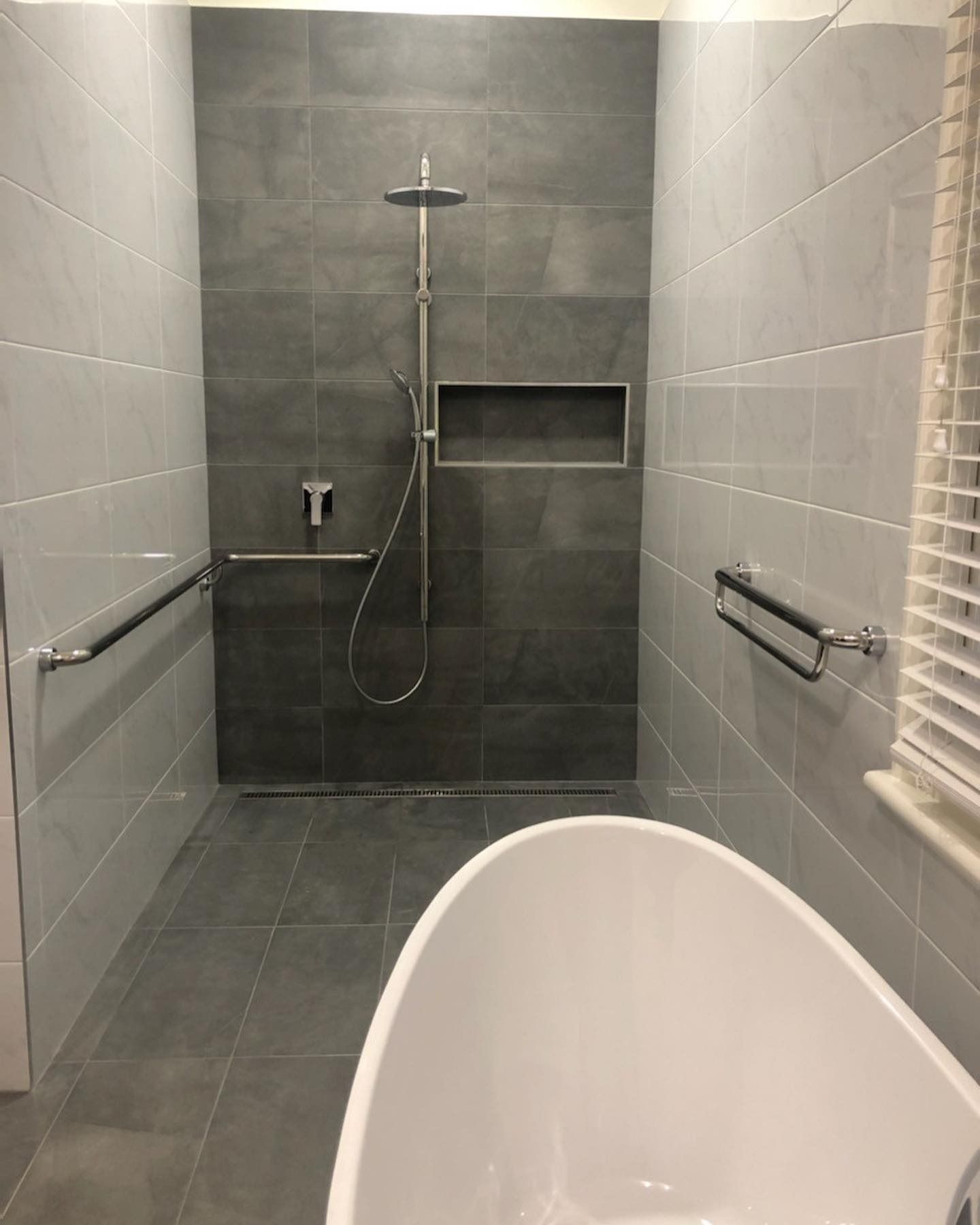
High-gloss tiles can look striking in a showroom, but in daily use they show every water drop, soap film and fingerprint. Matte and porcelain finishes scatter light rather than reflect it, which means water spotting and soap residue are far less visible between cleans. For a bathroom used every day by a family, that is a genuine quality-of-life difference, not just an aesthetic preference. Stone-look and textured porcelain tiles are currently the most popular choice in the renovations we complete, and they hold up well against both heavy use and the cleaning products needed to manage mould in Albury winters.
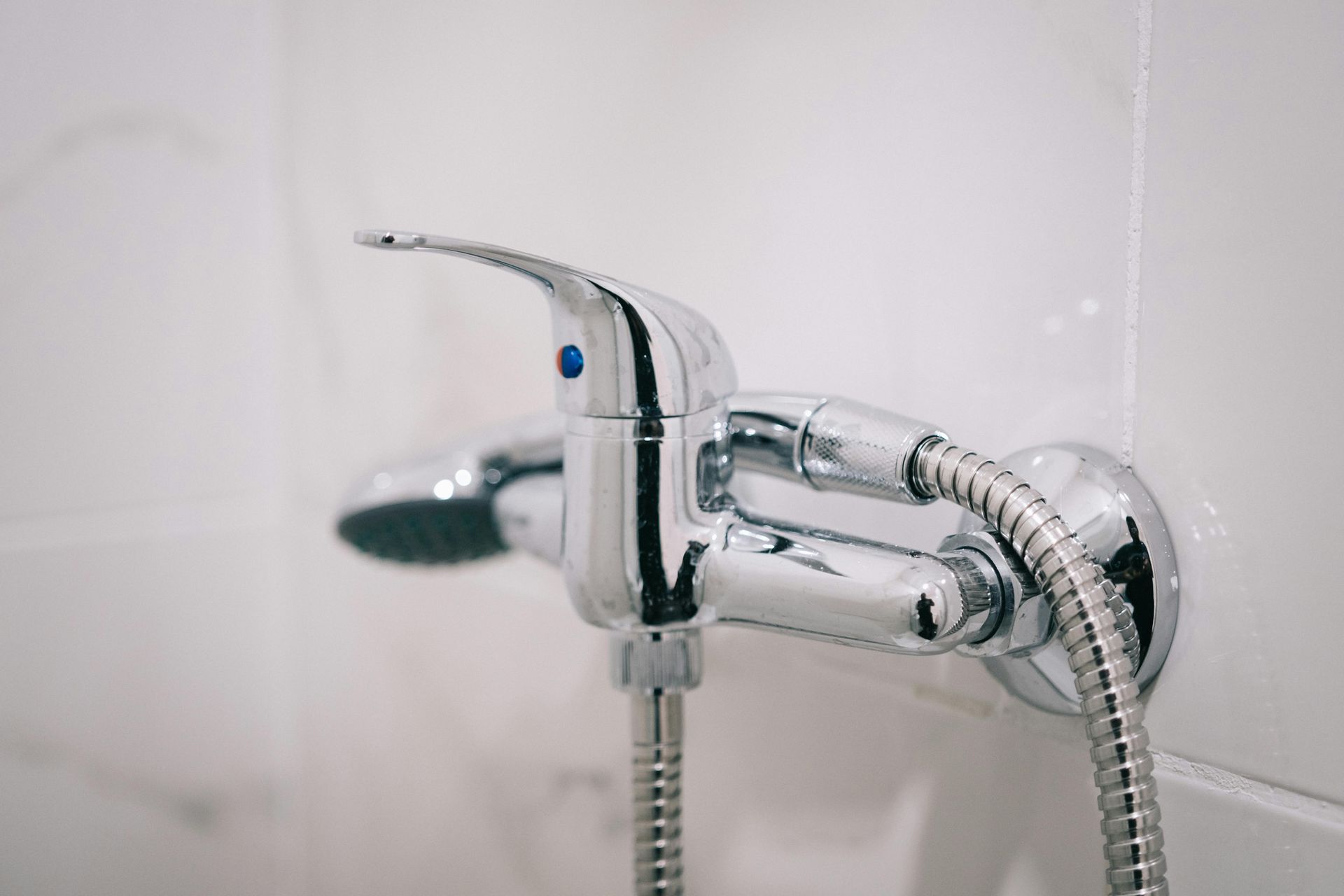
On tapware, brushed nickel and brushed brass are particularly forgiving because the brushed texture breaks up water spotting — so they show less than polished chrome in hard water conditions. Matte black shows limescale more visibly than brushed finishes and needs a gentler cleaning approach to protect the surface. Polished chrome has moved from the default choice to a deliberate aesthetic decision, usually chosen for a crisp, contemporary look where the owner is happy to wipe down more often. Warm white walls paired with a timber-look or stone-look vanity top are the combination we see replacing the all-white-and-chrome bathroom more than anything else right now. The warmth reads well in Albury homes, where the older housing stock often has natural light coming from one direction rather than multiple windows.
How Does the Albury Climate Change Which Trends Actually Work?
This is the part that national trend guides miss entirely. Albury has hot, dry summers and cold, damp winters — and that cycle creates real condensation pressure inside bathrooms. A bathroom that cannot dry out between showers will develop mould regardless of how beautiful the tiles are. An undersized or poorly positioned exhaust fan is the most common reason a newly renovated bathroom develops mould in its first winter. The fan needs to move enough air for the size of the room, be positioned to draw from the shower area, and ideally run on a timer or humidity sensor so it keeps working after you leave. A stunning finish will not save a bathroom that cannot dry out, which is why good ventilation in modern bathroom designs matters more than any tile choice — and why we factor it into every project from the planning stage.
Albury winters also create sustained condensation in enclosed bathrooms, which means standard MDF cabinetry swells and degrades. Moisture-resistant board and quality waterproofing behind tiles are the baseline for any bathroom renovation here, not an upgrade. The finishes on top can be as on-trend as you like, but the structure underneath needs to be right. Water-efficient tapware is the other upgrade almost always worth making while the walls are open. Modern WELS-rated fixtures perform well, reduce usage and carry low ongoing maintenance costs — a set-and-forget improvement rather than a trend.
Which Trends Are Simple in an Established Home, and Which Ones Mean Moving Plumbing?
This is the most important practical question for anyone considering bathroom renovations in Albury — and the one where expectations and reality can diverge most sharply in an established home.
These trends can typically be achieved without relocating pipework:
- Replacing tiles (wall and floor) with matte or stone-look porcelain
- Upgrading tapware to brushed finishes
- Swapping a freestanding vanity for a floating vanity — provided the waste and water lines are already at the right height and the wall framing can take the load
- Adding a niche to the shower wall (depends on wall construction)
- Upgrading lighting to LED and task fittings
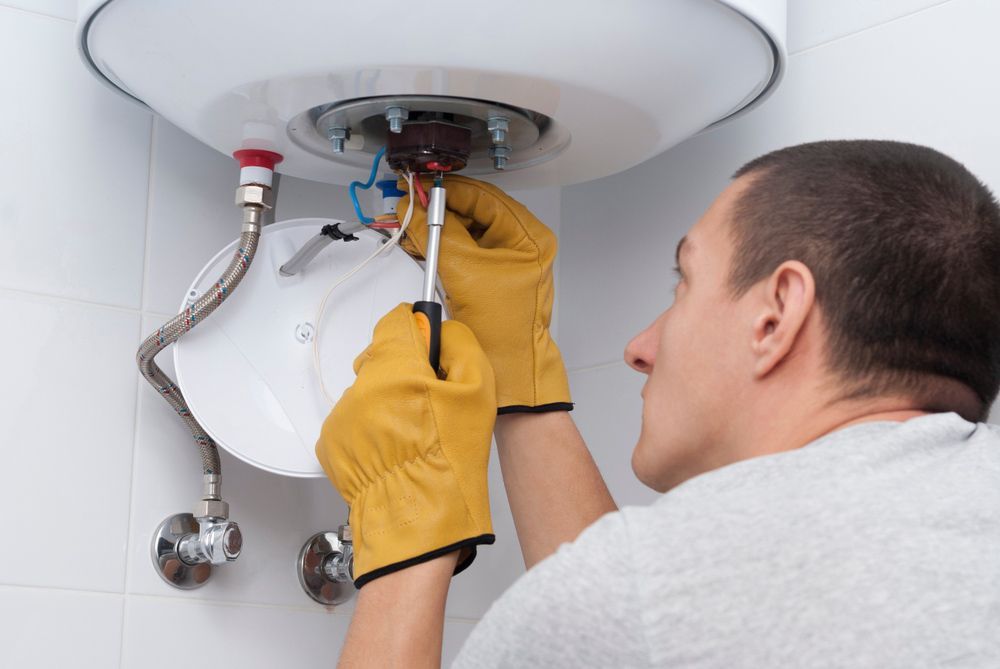
- Replacing exhaust ventilation with a correctly sized unit
These, on the other hand, often mean opening walls or floors:
- Moving the vanity to the opposite wall — this requires relocating the waste, hot and cold supply lines, and usually the exhaust fan
- Moving the shower to a different corner of the room
- Changing from a bath-and-shower combo to a separate freestanding bath in a new position
A client once asked us to move the vanity from the left-hand wall to the facing wall to match a layout they had seen online. The look was achievable — but it meant opening both walls, relocating the waste and all supply lines, and retiling the whole floor. The same visual result was achieved by replacing the vanity unit, tapware, tiles and lighting in place, at a fraction of the disruption.
The honest trade-off: if the existing layout works, a fixture-and-finish refresh — new tapware, vanity, tiles, lighting and ventilation — delivers most of the visual change you are after. That is genuinely the right answer for many homes, and it is one we say plainly rather than steering a project toward unnecessary structural work. If cost and planning detail are what you need at this stage, our
guide to bathroom renovation costs, trends and local tips covers the full picture.
Which Bathroom Trends Date Quickly (And What to Do Instead)?
Not every trend ages well. Very dark feature walls in small bathrooms are dramatic in photos but shrink the space visually and feel dated faster than neutral palettes. Patterned encaustic-look tiles look beautiful as an accent but can feel busy as a full-floor treatment after a few years. Rose gold tapware had its moment, but brushed brass or brushed nickel carry far more longevity. Very high-contrast black-and-white with no warmth looks clean now but is difficult to update later without retiling.
The better approach is to anchor the space in a neutral palette — warm white, greige or a soft stone tone — and put the design interest into the tapware finish, vanity style and lighting. These elements are far easier to update in ten years than tiles. A matte tile in a warm neutral tone will still look contemporary well into the next decade; a bold patterned tile might not. The same logic applies to the structure: spend on quality waterproofing, ventilation and cabinetry that you will not see, and let the visible finishes carry the style. If the new look is part of a bigger project, our renovations and extensions team can bring the rest of the home along with it.
Once you have a clear sense of the direction you want to take, the team at
McGrath Builders & Associates is happy to talk through your design ideas or
prepare a quote for
bathroom renovations in Albury that suit your home, your layout and the local climate.
FAQs
What bathroom colours are trending in Albury homes right now?
Warm neutrals are dominant — sandy whites, warm greige and soft stone tones rather than the cool greys that were popular a few years ago. These pair well with timber-look elements and brushed tapware finishes, and they read better in homes where natural light comes from one primary direction, which is common in established Albury housing.
Are matte tiles better than gloss tiles in a bathroom?
For everyday practicality, yes. Matte and porcelain finishes show water spotting, soap film and fingerprints significantly less than high-gloss tiles, and they perform well underfoot when wet. High-gloss tiles can look striking in a new space but require more frequent cleaning to maintain that look in a family bathroom.
Is a floating vanity a good idea in an older home?
A floating vanity can work well in an established home, but it depends on two things: whether the wall framing can take the load, and whether the existing waste and water lines are at the correct height. If the plumbing is already in position, swapping to a wall-hung unit is relatively straightforward. If it is not, the wall will need to be opened to reposition the pipework, which adds time and cost.
Do brushed tapware finishes show water marks?
Less than polished chrome in most cases, particularly brushed nickel. The brushed texture scatters light and breaks up water spotting, so daily use does not show the way it does on a mirror-polished surface. Matte black requires a gentler cleaning approach to protect the finish but is similarly forgiving of water marks in day-to-day use.
Which bathroom upgrade is almost always worth doing?
Water-efficient tapware and exhaust ventilation are the two upgrades that pay off consistently. Both are most cost-effective to do while the walls are already open, and both have ongoing benefits — lower water usage and a bathroom that dries out properly between uses, which is particularly important through Albury winters.
How do I know if my bathroom needs a full renovation or just a refresh?
If the layout works and the waterproofing is sound, a fixture-and-finish refresh — new tapware, vanity, tiles, lighting and ventilation — delivers most of the visual result. A full renovation becomes necessary when the layout needs to change, the waterproofing has failed, or the substrate condition means new tiles cannot go over the old ones.